If you were recently in a car accident, you may be wondering whether you should see a chiropractor—and how soon. There is no single timeline that is right for every collision. The answer depends on your symptoms, the type of impact, whether there are warning signs of a more serious injury, and what an appropriate examination finds.
A car accident by itself does not mean that you need chiropractic treatment. But if you develop neck pain, back pain, stiffness, reduced motion, headaches with neck symptoms, or difficulty returning to normal activities, a musculoskeletal evaluation can help determine what type of care is appropriate and whether you should be referred for medical evaluation or imaging first.
When Should You Be Evaluated After a Car Accident?
If you have pain or other musculoskeletal symptoms after a collision, it is reasonable to seek an evaluation when those symptoms are persistent, worsening, limiting your daily activities, or simply concerning to you. You do not need to wait for pain to become severe before asking a qualified healthcare provider to assess it.
Some symptoms are obvious immediately. Others may become noticeable later as soreness or stiffness develops. Delayed symptoms do not automatically mean that a serious injury was “hidden,” but new or changing symptoms after a crash deserve appropriate attention. Our guide to Delayed Pain After a Car Accident in Gilbert, AZ explains this in more detail.
When Should Medical or Emergency Care Come First?
Chiropractic care is not the first stop for every post-accident symptom. Call 911 or seek emergency medical care when there are signs of a potentially serious head, spine, or other traumatic injury.
For a possible head injury, the CDC lists danger signs such as a worsening headache that does not go away, repeated vomiting, weakness or numbness, decreased coordination, seizures, slurred speech, unusual behavior, increasing confusion, one pupil larger than the other, or loss of consciousness or marked difficulty waking. You can review the CDC’s current concussion and mild TBI danger signs.
Significant weakness, spreading numbness or tingling, difficulty walking, loss of bladder or bowel control, or other symptoms suggesting a possible spinal injury also warrant prompt medical evaluation. If you are unsure whether your symptoms could represent an emergency, err on the side of seeking medical care rather than waiting for a chiropractic appointment.
What Symptoms May Be Appropriate for a Chiropractic Evaluation?
Once urgent injuries have been ruled out when necessary, a chiropractic or musculoskeletal evaluation may be appropriate for complaints such as:
- Neck pain, stiffness, or reduced range of motion
- Back pain or stiffness
- Muscle soreness or tenderness
- Shoulder or upper-back discomfort associated with the collision
- Difficulty turning your head, sitting, sleeping, working, or returning to usual activities because of musculoskeletal symptoms
- Headache occurring along with neck pain or stiffness, when head-injury concerns have been appropriately addressed
These symptoms do not prove that chiropractic treatment is needed. The purpose of the evaluation is to understand the presentation, identify findings that may be appropriate for conservative care, and recognize when another type of healthcare provider should be involved.
Do You Need to Wait 24 or 48 Hours Before Seeing a Chiropractor?
No fixed waiting period applies to everyone. What matters is choosing the right level of care for your symptoms. Someone with emergency warning signs should not wait for a chiropractic appointment. Someone with non-emergency neck or back pain may be appropriately evaluated sooner. Someone who feels well and has no concerning symptoms may not need chiropractic care at all.
If symptoms appear later, that does not mean you “missed your window.” Seek appropriate evaluation based on what you are experiencing rather than an arbitrary deadline.
What Does a Car Accident Evaluation at Better Chiropractic Include?
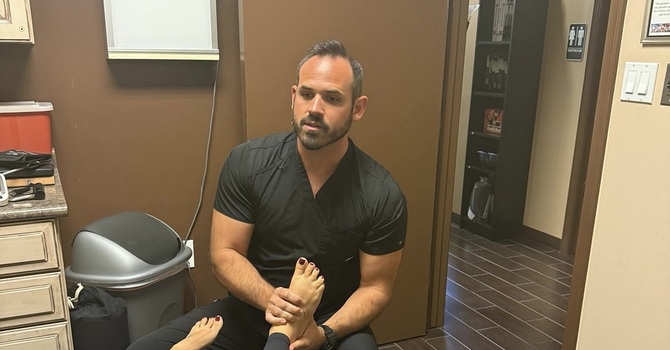
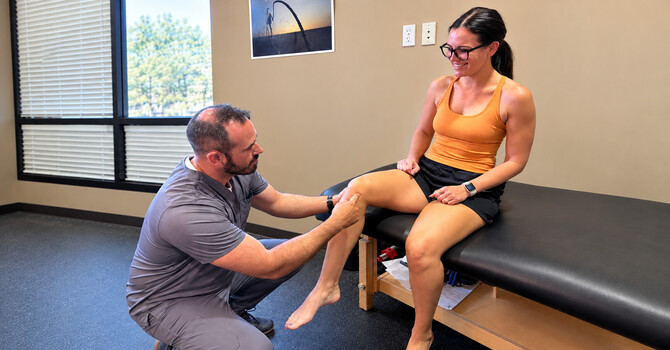
At Better Chiropractic in Gilbert, Arizona, we start with the history of the collision and your symptoms. Depending on your presentation, the examination may include assessment of movement, tenderness, orthopedic findings, functional limitations, and a basic neurologic screen.
The goal is not to assume that every accident patient should be adjusted or placed on a predetermined treatment plan. Recommendations are based on the examination findings, your needs, and your progress. When imaging, emergency care, or evaluation by another provider is more appropriate, we refer accordingly.
For common post-collision symptom patterns, you can also read:
- Whiplash After a Car Accident: Symptoms, Evaluation & Care
- Neck Pain After a Car Accident in Gilbert, AZ
- Back Pain After a Car Accident in Gilbert, AZ
- Headache After a Car Accident in Gilbert, AZ
Why Does Documentation Matter After a Collision?
Good clinical documentation is part of appropriate healthcare. A record can describe the accident history, when symptoms were reported, examination findings, functional limitations, care provided, and changes over time. Documentation should reflect what is actually found and reported—not exaggerate the severity of an injury.
When appropriate and authorized by the patient, Better Chiropractic can coordinate relevant records with insurers, attorneys, and other healthcare providers. Learn more about our Car Accident & Personal Injury Care in Gilbert, AZ.
Car Accident Chiropractic Evaluation in Gilbert, AZ
If you have developed neck, back, shoulder, or other musculoskeletal symptoms after a collision and do not have emergency warning signs, Better Chiropractic can evaluate whether conservative care is appropriate for you. We serve Gilbert and nearby East Valley communities including Chandler, Mesa, Queen Creek, and surrounding areas.
Schedule My Accident Evaluation
Not sure where to start after a crash? Read What to Do After a Car Accident in Gilbert, AZ.
This article is for general educational purposes and is not a substitute for emergency or individualized medical care.