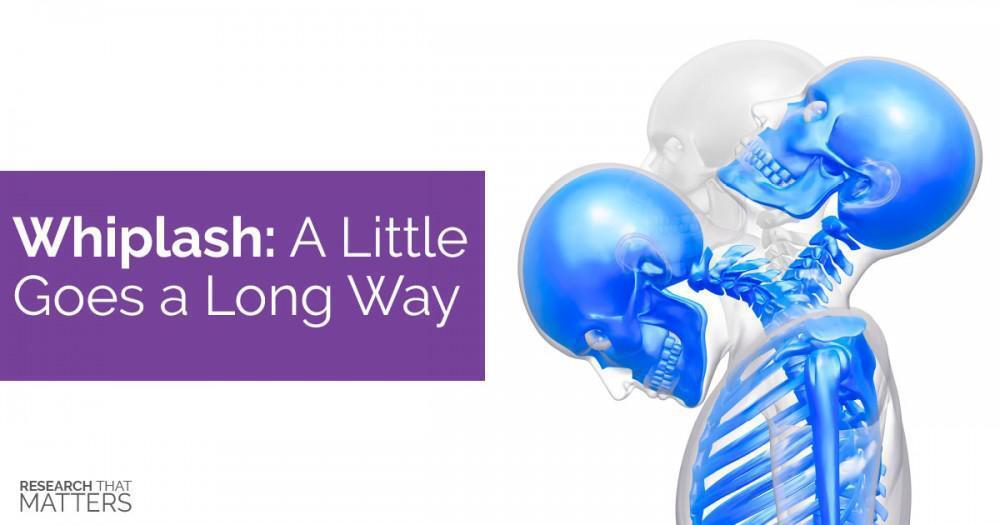
If your neck feels sore, stiff, or different after a rear-end collision or other crash, whiplash may be one possible explanation. Whiplash describes an injury associated with a rapid acceleration-deceleration movement of the neck. It can affect muscles, ligaments, joints, and other tissues, and symptoms can vary considerably from one person to another.
At Better Chiropractic in Gilbert, AZ, we evaluate patients with neck pain, headaches, stiffness, and other musculoskeletal symptoms following auto accidents. The goal of the first visit is to understand what happened, identify findings that may be contributing to your symptoms, and determine whether conservative care is appropriate or whether you should be referred for additional medical evaluation.
What Are Common Whiplash Symptoms?
Symptoms after a collision may begin right away or become more noticeable over the hours or days that follow. Common complaints can include:
- Neck pain or stiffness
- Reduced or painful neck movement
- Upper-back or shoulder discomfort
- Headaches, particularly when neck symptoms are also present
- Muscle tenderness or tightness
- Pain, numbness, or tingling that travels toward an arm
- Dizziness or difficulty concentrating in some patients
These symptoms are not specific to whiplash, and similar complaints can occur with other injuries. That is why an evaluation should be based on your collision history, symptoms, and examination findings rather than on symptoms alone.
Can Whiplash Happen in a Lower-Speed Collision?
Injury severity cannot be determined simply by looking at vehicle damage or knowing the estimated speed of a crash. Collision direction, occupant position, restraint and head-restraint use, vehicle characteristics, and individual health factors can all influence what a person experiences.
At the same time, not every collision causes an injury. We do not assume that someone is injured simply because they were involved in an accident. An appropriate examination helps determine whether there are clinically meaningful findings that need care or further evaluation.
What Should You Do if Symptoms Are Delayed?
It is possible to notice pain or stiffness later rather than immediately after a collision. If new symptoms develop, worsen, or interfere with normal activity, consider being evaluated. Delayed symptoms do not automatically mean that a serious injury was “hidden,” and an examination cannot guarantee that future pain or complications will be prevented.
Seek urgent or emergency medical care for symptoms such as a severe or worsening headache, loss of consciousness, confusion, chest or abdominal pain, difficulty breathing, new or progressive weakness, loss of bowel or bladder control, or other symptoms that feel severe or concerning.
What Happens During an Auto-Accident Evaluation?
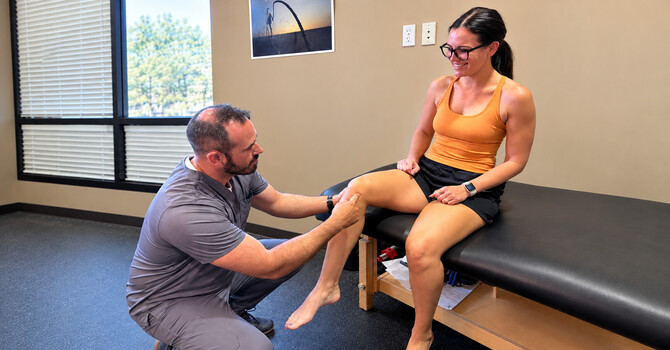
At Better Chiropractic, we begin by reviewing how the collision occurred, when your symptoms started, what makes them better or worse, your relevant medical history, and any care you have already received. The examination may assess movement, muscle and soft-tissue function, strength, joint function, and relevant neurological signs.
If the findings suggest that imaging, urgent care, or evaluation by another healthcare provider is appropriate, we will explain that recommendation. When conservative care is appropriate, treatment may include gentle chiropractic care, soft-tissue therapy, mobility work, and progressive rehabilitation based on your findings, tolerance, and functional goals.
Why Documentation Matters After a Car Accident
Accident-related care often involves more than treating symptoms. Clear documentation of the collision history, symptoms, examination findings, treatment recommendations, and progress can help create an accurate clinical record. With your authorization, our office can also coordinate appropriately with other healthcare providers, attorneys, and insurance representatives involved in your case.
Car Accident Chiropractor in Gilbert, AZ
If you developed neck pain, stiffness, headaches, back pain, or other musculoskeletal symptoms after a collision in Gilbert or the surrounding East Valley, our Car Accident & Personal Injury Care page explains how we evaluate and manage accident-related injuries.
Schedule My Accident Evaluation or call 480-802-0692 to speak with Better Chiropractic.