It is common to feel shaken up after a collision but notice relatively little pain at first. Hours later—or sometimes over the next day or two—neck stiffness, back soreness, headaches, shoulder discomfort, or other symptoms may become more noticeable.
Delayed symptoms do not automatically mean you have a serious injury, and they do not mean that everyone involved in a crash needs chiropractic treatment. But new or worsening symptoms after a motor-vehicle collision deserve attention, especially when they affect your movement, sleep, work, or daily activities.
Why Can Pain Be Delayed After a Car Accident?
Symptoms after a collision can evolve over time. Soft-tissue soreness and stiffness may become more noticeable as the hours pass. Whiplash-related neck symptoms, for example, may not begin immediately. Head-injury symptoms can also be delayed or initially overlooked.
The important point is not to assume that every delayed symptom is harmless—or that every symptom is caused by the crash. An appropriate evaluation considers the timing of your symptoms, the mechanics of the collision, your health history, and the examination findings.
Common Symptoms That May Appear Later
Depending on the person and the collision, symptoms that become noticeable after the initial event can include:
- Neck pain, stiffness, or reduced range of motion
- Upper- or lower-back pain
- Headaches
- Shoulder or upper-back discomfort
- Muscle soreness or spasms
- Tingling, numbness, or pain into an arm or leg
- Dizziness, concentration problems, or unusual fatigue
Some of these symptoms can have causes that require medical assessment beyond musculoskeletal care. That is why the pattern and severity of the symptoms matter.
When Delayed Symptoms Need Urgent Medical Care
Seek emergency medical care after a crash for concerning symptoms such as a headache that gets worse and does not go away, repeated vomiting, seizures, increasing confusion, unusual behavior, slurred speech, weakness or numbness, decreased coordination, one pupil larger than the other, loss of consciousness, or increasing difficulty staying awake.
The CDC lists these and other danger signs after a possible traumatic brain injury. If you are unsure whether a symptom is an emergency, err on the side of medical evaluation.
What If I Felt Fine Right After the Crash?
Feeling okay immediately after a collision is reassuring, but it does not always predict how you will feel later. Monitor for changes rather than assuming that having little pain at the scene rules out a problem.
If symptoms develop later, write down when they began, what makes them better or worse, and how they affect normal activity. That information can help a healthcare professional understand what has changed since the collision.
What Does a Car Accident Evaluation Look For?
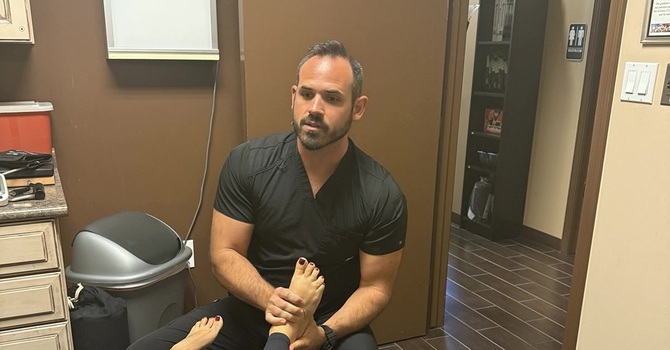
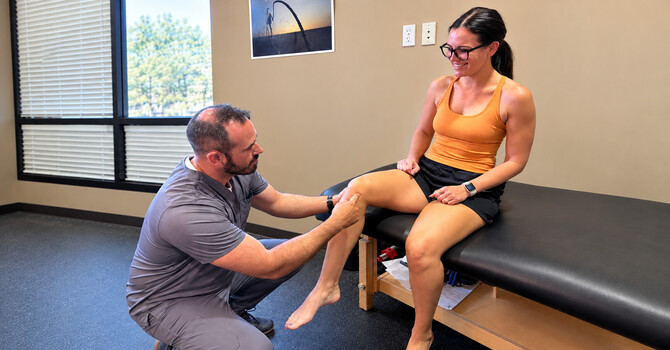
At Better Chiropractic, an accident evaluation begins with the history of the collision and your symptoms. We assess areas such as spinal and extremity motion, muscle and joint tenderness, strength, neurologic findings, and functional limitations when appropriate.
The goal is to determine whether conservative musculoskeletal care is appropriate for your presentation. If your history or examination suggests that you need imaging, emergency care, or evaluation by another medical provider, we will recommend the appropriate next step. Treatment recommendations are based on clinical findings and progress—not simply on the fact that an accident occurred.
Documentation Matters After a Collision
Good clinical documentation is first and foremost part of good healthcare. Recording the mechanism of injury, symptom onset, examination findings, functional limitations, treatment provided, and progress over time creates a clearer medical record.
For personal-injury cases, our office can also coordinate relevant documentation with attorneys, insurers, and other healthcare providers when appropriate and authorized by the patient.
More Car Accident Resources from Better Chiropractic
If you are trying to understand what to do next, these related resources may help:
- What to Do After a Car Accident in Gilbert, AZ
- Whiplash After a Car Accident: Symptoms, Evaluation & Care
- Back Pain After a Car Accident in Gilbert, AZ
- Car Accident & Personal Injury Care at Better Chiropractic
Car Accident Evaluation in Gilbert, AZ
If neck pain, back pain, headaches, shoulder discomfort, or other musculoskeletal symptoms have developed after a collision, Better Chiropractic can evaluate whether conservative care is appropriate for you. We serve Gilbert and nearby East Valley communities including Chandler, Mesa, Queen Creek, and surrounding areas.
Schedule My Accident Evaluation
This article is for general educational purposes and is not a substitute for emergency or individualized medical care.