Back pain after a car accident can range from temporary muscle soreness to an injury that needs more extensive medical evaluation. The location and intensity of pain alone do not identify the cause, so the right next step depends on the collision, your symptoms, your examination findings, and whether any warning signs are present.
Why Can Your Back Hurt After a Car Accident?
A collision can expose the trunk and spine to rapid acceleration, deceleration, rotation, restraint from the seat belt, or direct contact inside the vehicle. Depending on the circumstances, post-accident back pain may involve muscles, ligaments, joints, discs, or other structures. Some symptoms may also come from an area outside the lower back.
Not every crash causes an injury, and the amount of visible vehicle damage does not by itself diagnose what happened to a person's body. A clinical evaluation should be based on the patient—not assumptions about the vehicle.
Common Back-Pain Symptoms After a Collision
People who develop back symptoms after a crash may notice:
- Localized aching or stiffness
- Pain with bending, twisting, sitting, or standing
- Muscle tightness or spasm
- Reduced range of motion
- Pain that travels into the buttock or leg
- Tingling, numbness, or weakness
Some symptoms are immediate, while others may become more noticeable after the initial stress of the collision has passed. If symptoms are new, worsening, or interfering with normal activities, an appropriate evaluation can help determine what should happen next.
When Back Pain After a Crash Needs Urgent Medical Care
Seek urgent or emergency medical evaluation after a collision for severe or rapidly worsening pain, significant weakness or numbness, difficulty walking, loss of bladder or bowel control, numbness in the groin or saddle area, major trauma with concern for fracture, loss of consciousness, or other serious symptoms. These are not symptoms to manage solely with routine conservative care.
What Does an Accident Back-Pain Evaluation Look For?
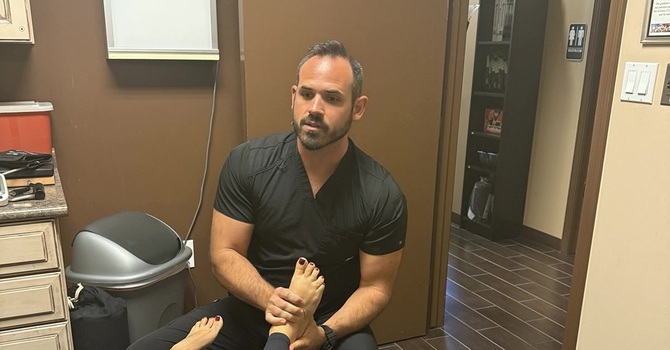
At Better Chiropractic in Gilbert, we begin by asking how the collision occurred, when the back pain began, where it is located, whether symptoms travel into the leg, and how the problem is affecting normal activities.
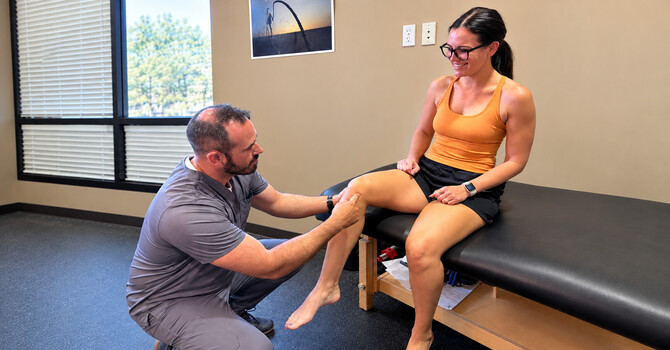
A focused examination may include range of motion, orthopedic testing, neurologic screening, strength, sensation, reflexes, and functional assessment when appropriate. The goal is to determine whether the presentation appears suitable for conservative musculoskeletal care or whether imaging, emergency evaluation, or referral to another medical provider is more appropriate.
Does Back Pain After a Car Accident Always Need Chiropractic Treatment?
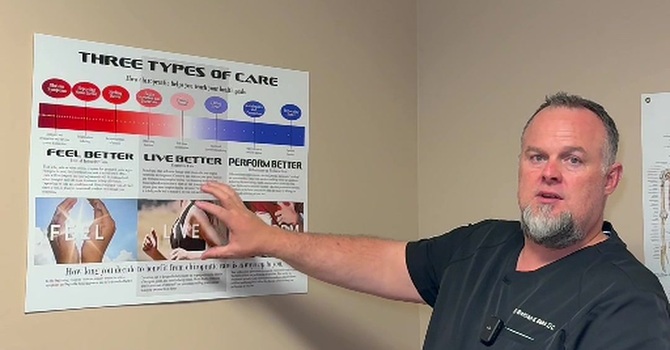
No. An accident does not automatically mean someone needs chiropractic care, and there should not be a predetermined treatment schedule simply because a personal-injury claim exists. Recommendations should follow the examination findings and change based on the patient's response and progress.
When conservative care is appropriate, the plan may include one or more approaches based on the patient's needs. If symptoms are not responding as expected or the clinical picture changes, the plan should be reassessed.
Documenting Back Pain After an Auto Accident
For accident-related care, accurate clinical documentation matters. It helps track when symptoms started, examination findings, functional limitations, care provided, and progress over time. Patients can help by describing specific changes—such as difficulty sitting at work, sleeping, lifting, driving, or exercising—rather than relying only on a pain score.
When authorized and appropriate, Better Chiropractic can coordinate records with other healthcare providers, insurers, and attorneys while keeping clinical recommendations based on the patient's findings and progress.
Back Pain After a Car Accident in Gilbert, AZ
If your back pain began after a collision in Gilbert or the surrounding East Valley, start with the level of care that fits your symptoms. You can review our general Back Pain information or learn more about our Car Accident & Personal Injury care.
If the crash was recent and you are still figuring out the next steps, see What to Do After a Car Accident in Gilbert, AZ.
Schedule My Accident Evaluation
Frequently Asked Questions
Can back pain start a day or two after a car accident?
Some musculoskeletal soreness or stiffness may become more noticeable over the hours or days after a collision. Delayed onset does not prove that a serious injury exists, but new or worsening symptoms should be evaluated according to their nature and severity.
What if the pain goes down my leg?
Leg pain, tingling, numbness, or weakness may indicate nerve involvement and should be included in your evaluation. Progressive weakness, bowel or bladder changes, or saddle-area numbness warrants urgent medical assessment.
Will I need X-rays or an MRI?
Not everyone with back pain needs imaging. Whether imaging is appropriate depends on the history, examination findings, trauma severity, red flags, and how the condition progresses. If imaging or specialty evaluation is indicated, we can recommend the appropriate next step.
This article is educational and is not a diagnosis or a substitute for emergency or medical care when needed.