Neck pain is common after a motor-vehicle collision, but the reason for the pain can vary from person to person. Some people notice stiffness or soreness immediately. Others feel relatively normal at the scene and develop symptoms later that day or over the next several days.
Neck pain after a crash does not automatically mean you have a serious injury, and it does not mean that every accident requires chiropractic treatment. The right next step depends on the collision, your symptoms, your health history, and what an examination finds.
Why Can Your Neck Hurt After a Car Accident?
During a collision, the head and neck can move rapidly as the body is accelerated or decelerated. Muscles, joints, ligaments, discs, and other tissues may be irritated or injured. One possible pattern is whiplash, a neck sprain/strain-type injury associated with sudden movement of the neck.
Importantly, neck pain after an accident is not always whiplash. Symptoms can also arise from muscle strain, joint irritation, pre-existing conditions that become symptomatic, or injuries that require medical evaluation beyond conservative musculoskeletal care.
Common Symptoms After a Collision
Depending on the person and the crash, neck-related symptoms may include:
- Neck soreness, aching, or stiffness
- Reduced or uncomfortable range of motion
- Pain around the upper back or shoulders
- Headaches that occur along with neck symptoms
- Muscle tenderness or spasm
- Pain, tingling, numbness, or other symptoms into an arm
Symptoms may begin right away or become more noticeable later. Our guide to delayed pain after a car accident explains why timing alone does not tell you how serious an injury is.
When Neck Pain Needs Prompt Medical Attention
Some symptoms after a collision should be evaluated urgently. Seek emergency or prompt medical care for concerning signs such as new or worsening weakness or numbness, difficulty walking or maintaining balance, severe or rapidly worsening pain, loss of consciousness, or symptoms suggesting a significant head injury.
After a possible head injury, the CDC advises emergency care for danger signs such as a worsening headache that does not go away, repeated vomiting, seizures, increasing confusion, slurred speech, unusual behavior, one pupil larger than the other, or increasing difficulty waking or staying awake. If you are unsure whether your symptoms could represent an emergency, err on the side of medical evaluation.
Should Neck Pain Be Evaluated Even If It Is Mild?
Mild soreness often improves, but an evaluation can be appropriate when symptoms persist, worsen, limit normal movement, interfere with sleep or work, or develop after a collision and you are unsure what is causing them. An examination is also helpful when symptoms travel into the shoulder or arm or when headaches accompany the neck pain.
An appropriate evaluation should not begin with the assumption that you need treatment. It should first determine what findings are present and whether conservative care is suitable for your situation.
What Does a Car Accident Neck Evaluation Include?
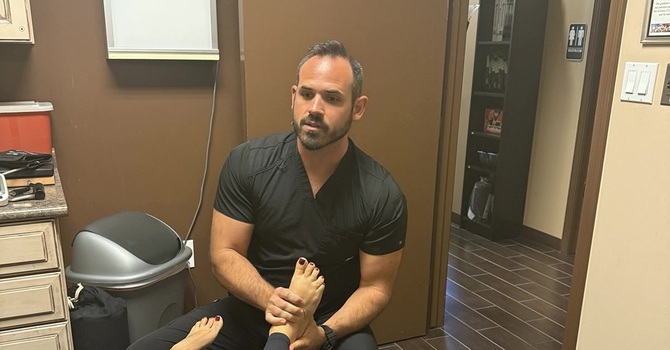
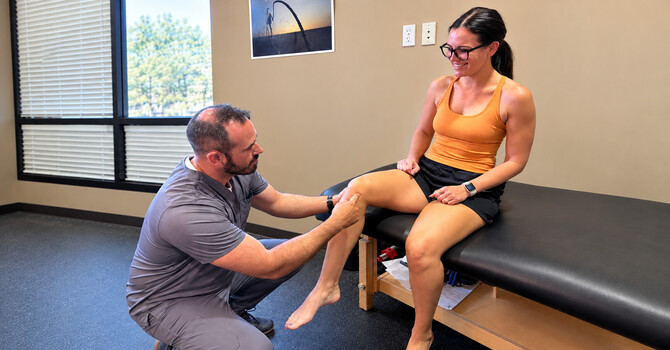
At Better Chiropractic in Gilbert, an accident evaluation begins with the details of the collision, when your symptoms started, and how those symptoms affect normal activities. Depending on your presentation, the examination may assess neck and upper-back motion, muscle and joint tenderness, strength, sensation, reflexes, and other neurologic or orthopedic findings.
The goal is to determine whether conservative musculoskeletal care is appropriate. If your history or examination suggests you need imaging, emergency care, or evaluation by another medical provider, we will recommend the appropriate next step. Treatment recommendations are based on clinical findings and progress—not simply on the fact that an accident occurred.
What About Documentation After a Car Accident?
Good documentation is part of good healthcare. A clear record can include the collision history, symptom onset, examination findings, functional limitations, care provided, and progress over time.
For personal-injury cases, Better Chiropractic can coordinate relevant documentation with attorneys, insurers, and other healthcare providers when appropriate and authorized by the patient. Learn more about our Car Accident & Personal Injury Care in Gilbert.
More Car Accident Resources
- What to Do After a Car Accident in Gilbert, AZ
- Whiplash After a Car Accident: Symptoms, Evaluation & Care
- Back Pain After a Car Accident in Gilbert, AZ
- Delayed Pain After a Car Accident in Gilbert, AZ
Car Accident Neck Pain Evaluation in Gilbert, AZ
If you developed neck pain, stiffness, headaches, or upper-back discomfort after a collision, Better Chiropractic can evaluate whether conservative care is appropriate for you. We serve Gilbert and nearby East Valley communities including Chandler, Mesa, Queen Creek, and surrounding areas.
Schedule My Accident Evaluation
This article is for general educational purposes and is not a substitute for emergency or individualized medical care.