Not automatically. An evaluation can help determine whether imaging is needed before treatment. Symptoms, health history and examination findings—not a one-size-fits-all imaging package—should guide that decision.
At Better Chiropractic in Gilbert, our goal is to understand what is limiting you and recommend an appropriate next step. Sometimes that means conservative care. Sometimes it means imaging, a different specialist or urgent medical evaluation.
Why start with an examination?
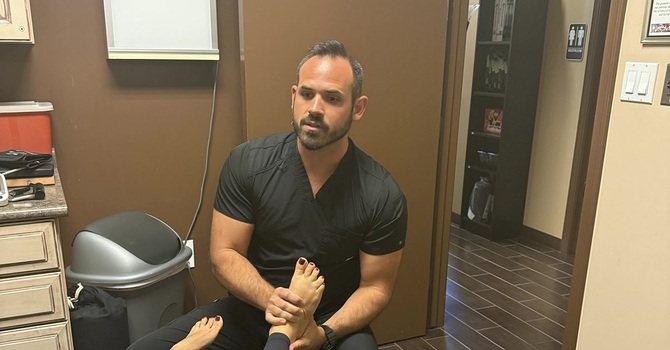
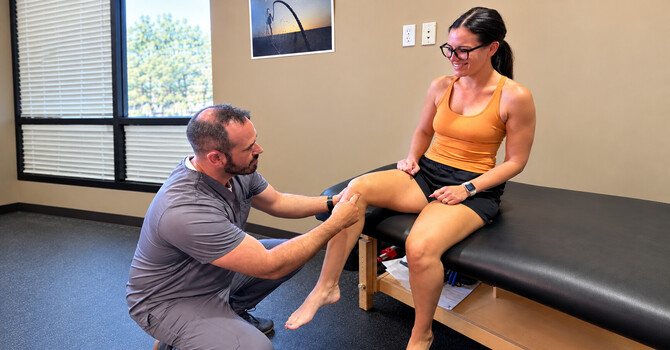
Your doctor needs more than a picture of the painful area. A useful assessment considers how symptoms began, previous injuries, daily limitations and relevant health history. Depending on the problem, the examination may include movement, strength, sensation, reflexes and other tests.
For a new episode of uncomplicated low back pain without concerning findings, the American College of Radiology generally does not recommend routine initial imaging. That guidance does not mean imaging is unnecessary for every patient or every condition.
What does an X-ray show?
X-rays help evaluate bones and joints. They can be useful when a fracture or certain bony changes are suspected. They use ionizing radiation and are not a detailed test of spinal nerves or discs.
An X-ray is not an automatic prerequisite simply because someone has back or neck discomfort. Its value depends on the question being investigated.
When might an MRI help?
MRI provides detailed views of discs, nerves, the spinal cord and other tissues without using ionizing radiation. It may be appropriate when findings suggest nerve compression or other conditions requiring further investigation.
An MRI is not automatically the next step for every persistent ache. The findings need to be interpreted alongside the examination and symptoms.
When does imaging become more important?
Significant trauma, progressive neurological findings, suspected infection or cancer, and symptoms that persist or worsen despite appropriate care may change the plan. The appropriate test and urgency depend on the full clinical picture.
New loss of bladder or bowel control, numbness around the groin or saddle area, or rapidly worsening weakness calls for emergency medical assessment—not waiting for a routine chiropractic visit.
What should I bring?
Bring existing imaging reports or information about where previous studies were performed. Also bring a medication list, relevant medical history and a clear description of what you want to return to doing.
Our approach: the right care, for the right reason
Patient-centered care means taking your concerns seriously and explaining the recommendation. It does not mean ordering the same test or delivering the same treatment to everyone.
Better Chiropractic is patient-centered, evidence-informed and results-driven. We want each decision to serve your needs and help you move toward better function.
Ready to understand your next step? Schedule an evaluation with Better Chiropractic in Gilbert:
Schedule an evaluation
Educational information only; not a diagnosis or substitute for individualized medical care.