A car accident can create questions long after the vehicles have been moved: Am I injured? Why did my pain start later? Should I wait and see how I feel? When is a chiropractic evaluation appropriate, and when should I seek emergency medical care?
This comprehensive guide brings together Better Chiropractic's key car-accident resources for patients in Gilbert and the East Valley. It explains the practical steps to take after a collision, common symptom patterns, important warning signs, and what to expect from a careful musculoskeletal evaluation.
1. Put Safety and Emergency Care First
Check yourself and your passengers for injuries. Call 911 when anyone may need emergency medical attention or when the circumstances require law-enforcement assistance. If it is safe and appropriate, move out of active traffic and follow instructions from police, fire, or emergency medical personnel.
Do not delay emergency care because you are concerned about your vehicle, insurance claim, or scheduling an office appointment.
Warning signs that require urgent medical attention
Seek emergency or prompt medical care following a collision for symptoms such as:
- Loss of consciousness, increasing confusion, unusual behavior, or difficulty staying awake
- A severe or worsening headache, repeated vomiting, seizures, or slurred speech
- New or progressive weakness, numbness, loss of coordination, or one pupil appearing larger than the other
- Chest pain, shortness of breath, significant bleeding, or severe abdominal pain
- A visibly deformed limb or joint, or the inability to use an arm or leg normally
If you are uncertain whether a symptom represents an emergency, err on the side of medical evaluation. A chiropractic appointment is not a substitute for emergency care.
2. Exchange Information and Document the Collision
Arizona law places responsibilities on drivers involved in crashes, including stopping and providing specified identifying and vehicle information. Requirements vary with the circumstances, so consult the Arizona Revised Statutes or the appropriate law-enforcement agency for legal guidance.
When it is safe, preserve useful information such as:
- Names and contact information for the drivers involved
- Driver's-license, vehicle, and insurance information
- Photos of the vehicles, visible damage, scene, road conditions, and relevant signs or signals
- Witness contact information, when available
- The responding agency and report information
This article provides general educational information, not legal advice. Questions about legal rights, insurance coverage, or a claim should be directed to an appropriately qualified professional.
3. Understand Why Symptoms May Be Delayed
Some injuries are immediately obvious. Other symptoms can become more noticeable hours later or over the next several days, after the initial stress of the collision has passed. Delayed symptoms do not automatically mean that a serious injury occurred, but they should not be dismissed simply because you felt relatively well at the scene.
Pay attention to when symptoms began, whether they are improving or worsening, and how they affect sleep, work, exercise, driving, or daily activities. Learn more in our detailed guide to delayed pain after a car accident.
4. Should You Wait Two Weeks and See How You Feel?
It is generally better not to choose an arbitrary waiting period, such as two weeks, before seeking an evaluation when new symptoms have developed. A timely assessment can screen for warning signs, establish an early clinical baseline, and provide guidance about appropriate activity and next steps.
An early evaluation does not automatically mean X-rays, extensive treatment, or a long-term care plan. A clinically appropriate evaluation may help:
- Screen for findings that require emergency care or medical referral
- Measure motion, strength, neurologic function, and functional limitations
- Document when symptoms began and how they affect normal activity
- Determine whether conservative musculoskeletal care is appropriate
If symptoms are new, worsening, or interfering with normal activities, consider being evaluated promptly instead of waiting for an arbitrary deadline. Our guide on when to see a chiropractor after a car accident explains this decision in greater detail.
5. Common Symptoms After a Car Accident
The forces involved in a collision can affect different areas of the body. Common post-accident complaints include neck pain or stiffness, back pain, headaches, shoulder discomfort, muscle soreness, reduced range of motion, and tingling or numbness. Symptoms alone do not identify their cause, so the history and examination findings matter.
Whiplash and neck pain
Whiplash describes an acceleration-deceleration mechanism that can affect the neck and surrounding tissues. Symptoms may include pain, stiffness, reduced motion, upper-back or shoulder discomfort, and headaches. Whiplash can occur without dramatic vehicle damage, but the collision speed or damage alone cannot diagnose an injury.
Read more about whiplash symptoms, evaluation, and care and neck pain after a car accident.
Back pain
Post-collision back pain may involve muscles, joints, discs, or other structures. It may feel like localized soreness or stiffness, or it may be accompanied by symptoms extending into an arm or leg. New weakness, progressive numbness, loss of coordination, or changes in bowel or bladder control require prompt medical assessment.
Our focused article explains the evaluation of back pain after a car accident in Gilbert.
Headaches
A headache after a collision may occur alongside neck pain and musculoskeletal irritation, but it can also be associated with a concussion or another condition requiring medical care. Do not assume that every post-accident headache is caused by the neck or that chiropractic care is automatically appropriate.
Seek urgent medical care for a worsening headache that does not go away or for a headache accompanied by repeated vomiting, increasing confusion, unusual behavior, weakness, seizures, slurred speech, unequal pupils, loss of consciousness, or difficulty waking. Read our full guide to headaches after a car accident.
6. What Happens During a Car-Accident Evaluation?
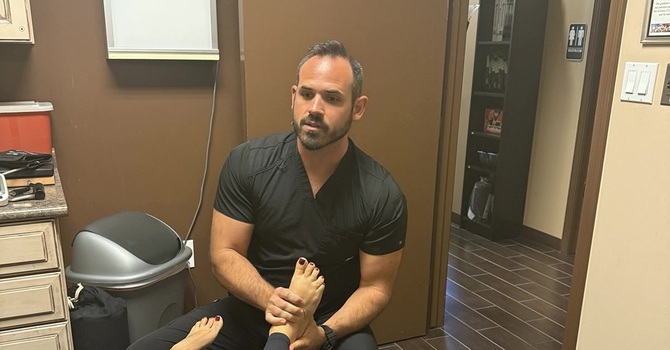
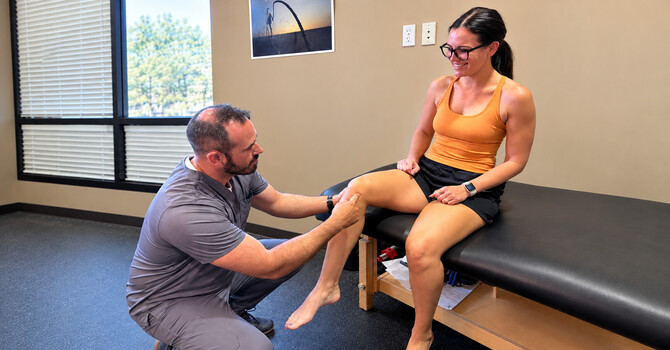
At Better Chiropractic, Dr. Brennan Bates and Dr. Will Curtis begin with the history of the collision, the timing and behavior of your symptoms, your relevant health history, and the activities that have become difficult. When appropriate, the examination may assess spinal and extremity motion, muscle and joint tenderness, strength, orthopedic findings, neurologic function, and functional limitations.
The goal is to determine what appears to be involved and whether conservative musculoskeletal care is appropriate. If the history or examination suggests that imaging, emergency care, or evaluation by another healthcare provider should come first, we will recommend the appropriate next step. Imaging is not automatically necessary after every collision, and treatment recommendations should be based on clinical findings and progress rather than the fact that an accident occurred.
7. Documentation Is Part of Good Healthcare
Clear documentation helps show how symptoms and function change over time. Tell your provider when each symptom began, what activities are limited, and whether anything is improving or worsening. Bring relevant medical records, imaging reports, or discharge instructions when available.
For personal-injury cases, Better Chiropractic documents the collision history, examination findings, functional limitations, care provided, progress, and referrals or coordination when appropriate. With the patient's authorization, our office can provide relevant clinical records and coordinate with attorneys, insurers, and other healthcare providers.
8. What Treatment May Include
If conservative care is appropriate, recommendations are individualized. Depending on the examination findings, care may include chiropractic manipulation or mobilization, soft-tissue treatment, therapeutic exercise, movement guidance, and home-care recommendations. Not every patient needs every service, and the plan should change according to the patient's response and functional progress.
Our objective is not to place every accident patient into a predetermined treatment schedule. It is to help each patient recover safely, measure progress, and refer when the presentation falls outside the appropriate scope of conservative care.
Car Accident Chiropractors in Gilbert, Arizona
Dr. Brennan Bates and Dr. Will Curtis evaluate medically stable patients with neck pain, back pain, headaches associated with musculoskeletal findings, shoulder discomfort, stiffness, or reduced function after a collision. Better Chiropractic is located at 2470 S. Val Vista Dr. #104 in Gilbert and serves Gilbert, Chandler, Mesa, Queen Creek, and surrounding East Valley communities.
Learn more about our Car Accident & Personal Injury Care in Gilbert.
Schedule My Accident Evaluation
Car Accident Resource Library
- Delayed Pain After a Car Accident in Gilbert, AZ
- Whiplash After a Car Accident: Symptoms, Evaluation & Care
- Neck Pain After a Car Accident in Gilbert, AZ
- Back Pain After a Car Accident in Gilbert, AZ
- Headache After a Car Accident in Gilbert, AZ
- When Should You See a Chiropractor After a Car Accident?
Frequently Asked Questions
Should everyone see a chiropractor after a car accident?
No. Not every collision causes an injury, and chiropractic care is not appropriate for every presentation. Concerning symptoms require the appropriate level of medical care. Medically stable patients with musculoskeletal pain, stiffness, or reduced function may benefit from an evaluation to determine whether conservative care is appropriate.
What if I felt fine immediately after the crash?
Feeling well initially is reassuring, but some symptoms become more apparent later. Monitor for changes and seek appropriate evaluation for new, worsening, or concerning symptoms.
Will I automatically need X-rays?
No. Imaging decisions should be based on the collision history, symptoms, examination findings, and applicable clinical criteria. If imaging or evaluation by another provider is appropriate, we will recommend it.
Can Better Chiropractic work with my attorney or insurance company?
When appropriate and with your authorization, our office can provide relevant clinical records and coordinate with attorneys, insurers, and other healthcare providers. Our responsibility is to document your condition and clinical progress accurately.
How soon should I be evaluated?
Emergency symptoms require immediate medical care. If you are medically stable but have new or worsening musculoskeletal symptoms, it is reasonable to seek a timely evaluation rather than waiting for an arbitrary period. The appropriate timing depends on the nature and severity of your symptoms.
This article is for general educational purposes and is not a substitute for emergency, individualized medical, or legal advice.