Shoulder pain after a car accident can come from several different sources. The shoulder itself may be strained or injured, the seat belt or a direct impact may affect the area, and sometimes pain felt around the shoulder is related to the neck or upper back. Because those problems can feel similar at first, the goal of an evaluation is to determine what appears to be contributing to your symptoms and whether additional imaging or medical referral is appropriate.
Why Can Your Shoulder Hurt After a Car Accident?
During a collision, the shoulder and surrounding tissues can be exposed to forces in several ways:
- Seat-belt contact: A properly worn seat belt is essential for safety, but the restraint can leave soreness or bruising across the chest and shoulder during a crash.
- Direct impact: The shoulder may contact the door, window, seat, or another surface inside the vehicle.
- Bracing for impact: Holding the steering wheel or tensing just before impact may load the muscles and joints of the shoulder and upper body.
- Rapid neck and upper-body movement: A collision can also affect the neck and upper back, and symptoms from those areas may be felt near the shoulder or arm.
Possible injuries can range from muscle or ligament sprains and strains to rotator-cuff injuries, joint injuries, dislocations, or fractures. Not every person in a collision is injured, and symptoms alone cannot tell you exactly which structure is involved.
Common Symptoms to Pay Attention To
After a crash, shoulder symptoms may include:
- Pain with reaching, lifting, or moving the arm
- Reduced range of motion
- Weakness or a feeling that the shoulder is unstable
- Swelling or bruising
- Clicking, catching, or discomfort with certain movements
- Pain that extends into the upper arm
- Neck pain, tingling, or numbness occurring along with shoulder pain
Some soreness is noticeable immediately, while other symptoms may become more apparent over the hours or days after a collision.
When Shoulder Pain Needs Prompt Medical Attention
Some accident-related symptoms require urgent medical assessment. Seek prompt medical care after a significant injury if the shoulder looks deformed, you cannot move the arm, pain or swelling is severe, there is significant bleeding, or you develop new numbness or weakness. Chest pain, shortness of breath, loss of consciousness, or other concerning symptoms after a crash also warrant immediate medical evaluation.
How We Evaluate Shoulder Pain After a Crash
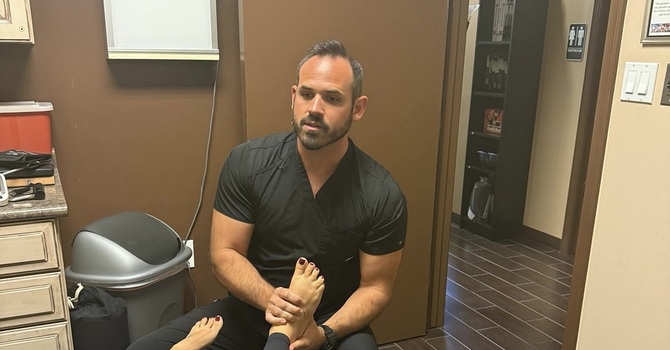
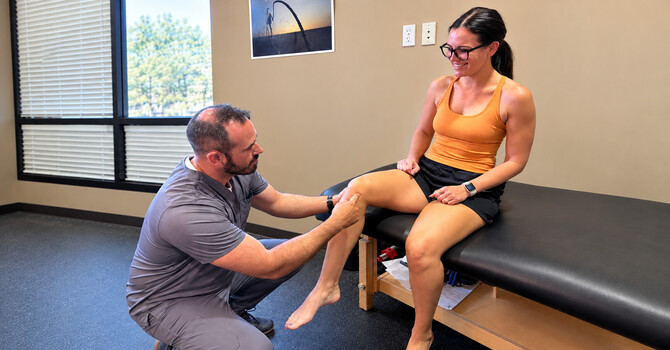
At Better Chiropractic in Gilbert, we start with the history of the collision and a focused examination rather than assuming every post-accident shoulder problem is the same. Depending on your presentation, the evaluation may include shoulder and neck range of motion, strength, orthopedic and neurologic testing, and assessment of nearby joints and soft tissues.
If the findings suggest a fracture, dislocation, significant tear, neurologic injury, or another problem outside the appropriate scope of conservative chiropractic care, we can recommend medical evaluation, imaging, or referral. When conservative care is appropriate, recommendations are based on the examination findings and your progress.
Car Accident Care and Documentation in Gilbert, AZ
If your shoulder pain began after a collision, it is helpful to tell us when the crash occurred, how the impact happened, when your symptoms began, and how they are affecting work, sleep, driving, or normal activities. That information becomes part of the clinical record and helps us track changes over time.
Better Chiropractic provides car-accident and personal-injury evaluations for patients in Gilbert and the surrounding East Valley. Learn more about our Car Accident & Personal Injury care, including our approach to evaluation, documentation, progress tracking, and coordination when appropriate.
Schedule My Accident Evaluation
This information is educational and is not a diagnosis or a substitute for emergency or medical care when needed.