Pain under your heel with the first steps after rest can fit plantar fasciitis, but it is not a diagnosis by itself. Achilles tendon problems, bursitis, nerve irritation and stress injuries can also cause heel pain. The useful next step is understanding the pattern—not choosing treatment from a label.
What should you notice before your appointment?
Think about three questions: Where does it hurt? When does it hurt? What changed before it started? Bring those answers to your examination, along with the activities you want to return to.
First-step pain near the bottom of the heel is a familiar plantar-fascia pattern. Symptoms may settle as you start moving, then return with longer periods on your feet. [1, 3]
Pain behind the heel may involve the Achilles tendon or a nearby bursa. Burning or tingling deserves attention to possible nerve involvement. Increasing pain after a jump in impact activity can raise concern for a stress injury. These are clues to discuss, not a self-diagnosis chart. [1, 2, 4]
When should you seek care rather than keep training?
Arrange an evaluation when heel pain keeps returning, interferes with walking or work, or does not improve with sensible activity modification. Tingling or reduced sensation also warrants assessment. If you have diabetes and develop foot pain, contact your medical provider promptly. [3]
Seek urgent medical assessment for severe pain after an injury, deformity, inability to walk, or a snap or pop with new loss of function. Do not test a suspected injury by repeatedly doing calf raises. [4]
What can a foot and ankle examination tell you?
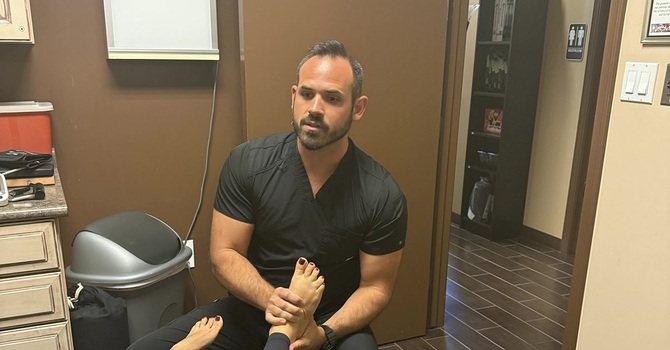
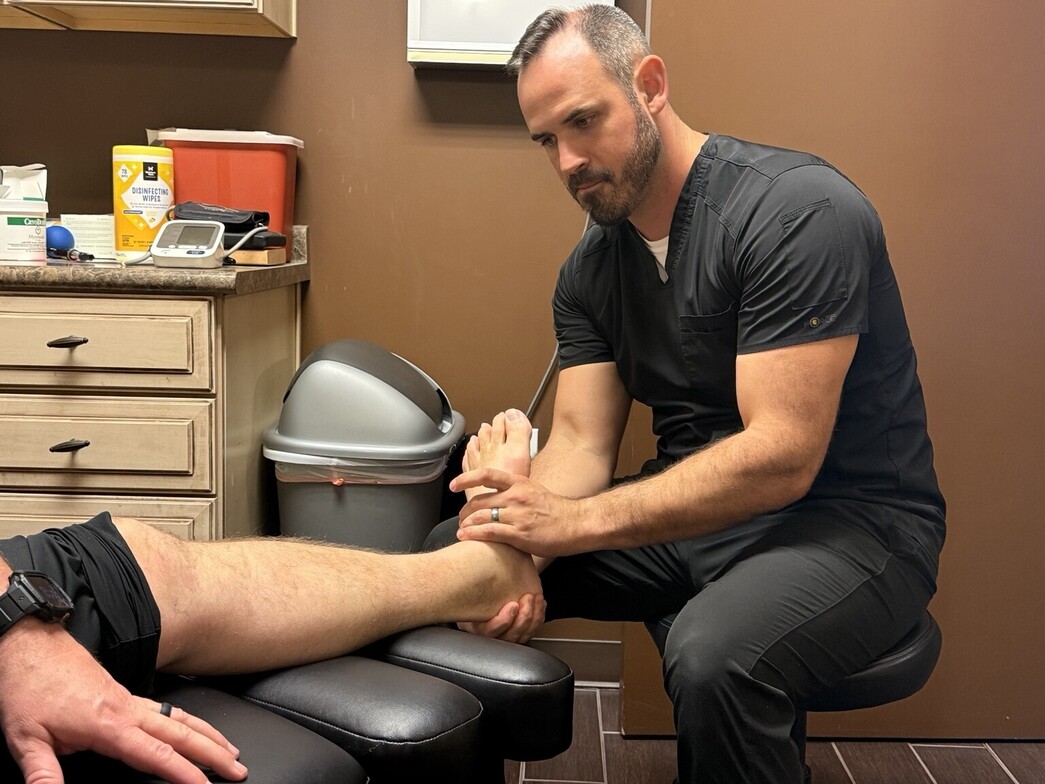
At Better Chiropractic in Gilbert, Dr. Brennan Bates and Dr. Will Curtis can review your symptoms, activity demands and goals. Depending on the presentation, the evaluation may include tenderness, ankle movement, calf strength, walking and appropriate load-tolerance tasks. Imaging or referral may be recommended when findings suggest another cause. [2, 5]
Tell your clinician what a useful improvement would look like: finishing a work shift, walking the dog, or returning to running. That gives the plan a practical focus beyond the pain score.
Does treatment mean simply stretching more?
Not necessarily. Once the cause is assessed, care may include changes to aggravating activity, stretching, progressive strengthening and footwear guidance. Hands-on care may be considered when appropriate; it is not a substitute for identifying the cause or building activity tolerance. [1, 3, 5]
Ask how progress will be reviewed and what would prompt a change in plan. There is no one-size-fits-all treatment schedule.
Quick answers
Is morning heel pain always plantar fasciitis?
No. That pattern is suggestive, not conclusive. [1]
Does a heel spur prove what is causing my pain?
No. Spurs can be present without symptoms. [1]
Do I automatically need an MRI?
No. Examination comes first in many presentations; imaging depends on the findings. [2]
Can I keep running?
That depends on the cause and severity. Discuss activity modification rather than assuming you should push through. [5]
What should I bring to the appointment?
Your symptom timeline, relevant medical history, activity changes and questions about returning to your usual routine.
Heel pain should not decide how much of your life you can participate in. Start by finding out what may be contributing.
Schedule a foot and ankle evaluation at Better Chiropractic in Gilbert
Educational information only; not a diagnosis or individualized medical advice.
References
[1] AAOS: Plantar Fasciitis and Bone Spurs
[2] AAOS: Heel Pain
[3] NHS: Plantar fasciitis
[4] NHS: Heel pain
[5] Better Chiropractic: Plantar Fasciitis and Heel Pain Evaluation